
Partial Dentures in Oceanside, CA
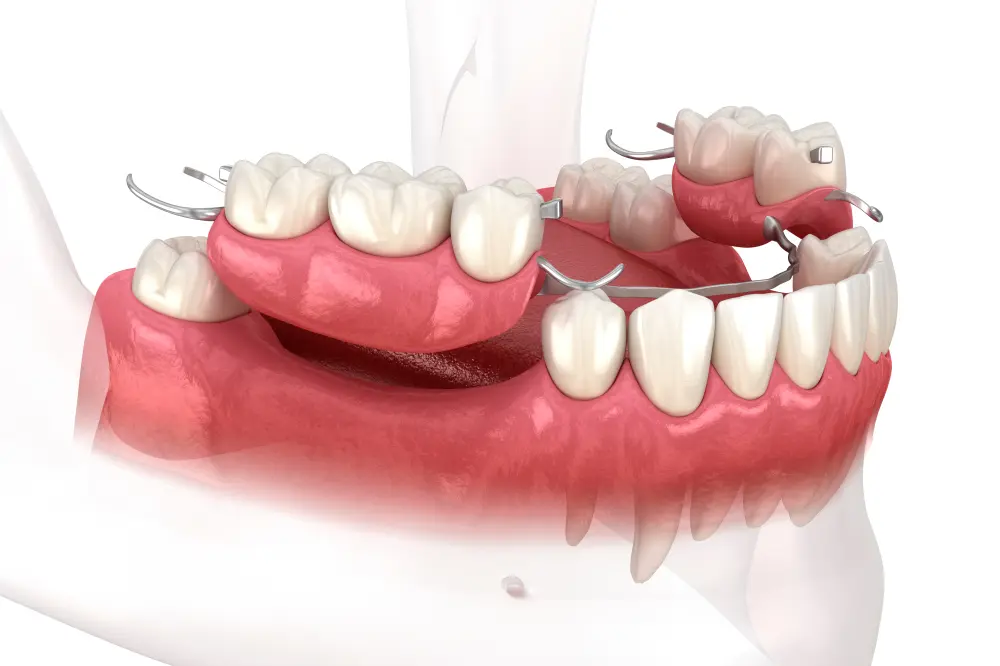
When several teeth are missing but many remain healthy, a partial denture in Oceanside, California, can fill the gaps without surgery. The removable appliance clips to your natural teeth, restoring your bite and preventing the remaining teeth from shifting.
How Partial Dentures Work
Partial dentures are custom removable appliances that replace one or more missing teeth while using the remaining natural teeth for support. They fill gaps, help distribute bite forces, and protect nearby teeth from drifting out of position.
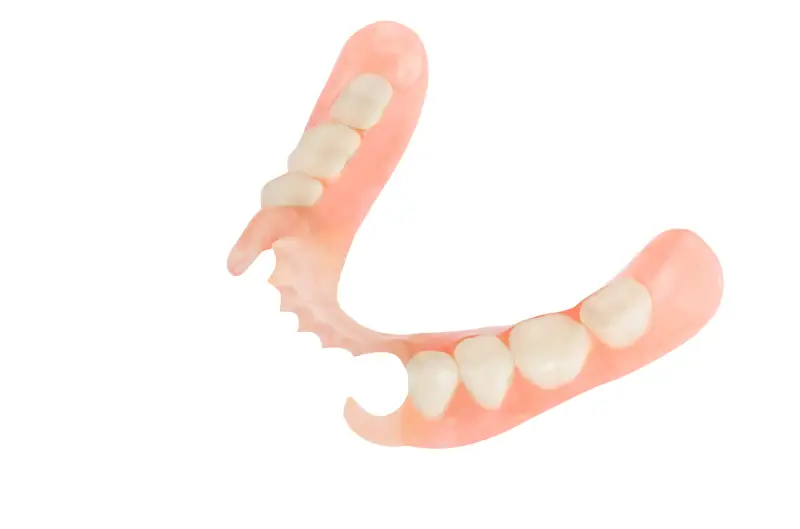
Common types include cast metal frameworks with clasps, acrylic interim partials, and flexible resin designs that can feel lighter.
Benefits of Partial Dentures
- Improved chewing function so you can enjoy a wider range of foods.
- Support for facial shape by replacing missing tooth structure.
- Better speech clarity by closing spaces that cause lisping or whistling.
- Protection for remaining teeth by preventing tipping and overeruption.
- Conservative approach that does not require surgery.
- Removable design that simplifies daily cleaning and maintenance.
Your Partial Denture Journey
The partial denture process follows several careful steps designed for comfort and accuracy.
- Evaluation and planning: A comprehensive exam by our dentist will assess your gums, bone, bite, and remaining teeth. Impressions or digital scans capture precise measurements.
- Design and fabrication: The lab creates a custom partial with teeth matched to your shade and a framework designed for stable support.
- Fitting and adjustment: The partial is tried in, checked for comfort and appearance, and adjusted until the fit feels secure and natural.
- Adaptation: Expect a short adjustment period as you get used to speaking and eating with the new appliance. Follow-up visits help address any sore spots.
Daily Care
- Rinse after meals, brush daily with a nonabrasive cleanser, and soak as directed.
- Do not use hot water or bleach. Clean your natural teeth and gums thoroughly each day.
- Remove the partial at night to give your gums a rest.
What to Expect With New Partial Dentures
It is normal to need a short adjustment period. Sore spots can occur as the appliance settles, and they are managed with small adjustments at the office. Start with soft foods and cut items into small pieces, then progress as chewing improves. Reading aloud for a few minutes each day can help fine-tune speech.
Good removable partial denture care supports comfort and longevity. Rinse the denture after meals, brush it daily with a soft brush and nonabrasive cleanser, and keep it moist when out of your mouth. Avoid hot water, which can warp the material. Clean your natural teeth, especially near clasped areas, to reduce plaque and protect the gums. Denture adhesive can improve stability for some designs, but persistent looseness signals the need for an adjustment rather than more adhesive.
How long do partial dentures last varies with design, oral hygiene, and changes in gum and bone. Many last five to ten years with routine maintenance, though relines or tooth repairs may be needed over time. Regular dental checkups help monitor fit, evaluate bite forces, and keep the supporting teeth healthy.
Find the Right Fit
Missing teeth and want to know your options? Call Mission Family Dentistry at 760-439-5515 to schedule a visit with Dr. Odenwalder.
Frequently Asked Questions About Partial Dentures
People missing several teeth but with healthy gums and enough stable teeth for support are often good candidates. A dental exam will confirm if a partial is appropriate or if another option fits better.
Most partials use a combination of a contoured framework, clasps around select teeth, and a precise fit along the gums. Flexible designs rely on snug adaptation rather than metal clasps.
Common types include cast metal partials for durability, acrylic interim partials for short-term use, and flexible resin partials for a lighter feel. The choice depends on bite, esthetics, and budget.
With proper care and periodic adjustments, many last five to ten years. Fit can change as gums and bone remodel, so relines and repairs are sometimes needed to maintain comfort.
Rinse after meals, brush daily with a nonabrasive cleanser, and soak as directed. Do not use hot water or bleach. Clean your natural teeth and gums thoroughly each day.
Yes, most people return to a varied diet. Start with soft foods, chew on both sides to balance pressure, and introduce firmer foods as comfort improves.