
Dental Bridges in Oceanside, CA
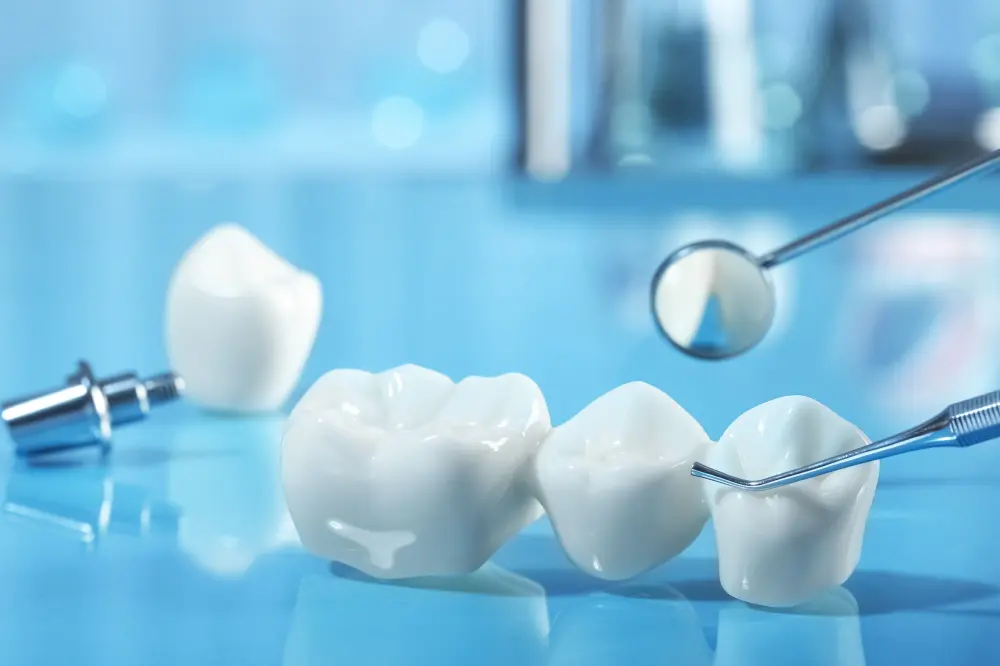
A gap from a missing tooth can make chewing uncomfortable and cause nearby teeth to shift over time. A dental bridge in Oceanside, California, fills that space with a fixed restoration that looks and functions like your own teeth.
What Is a Dental Bridge?
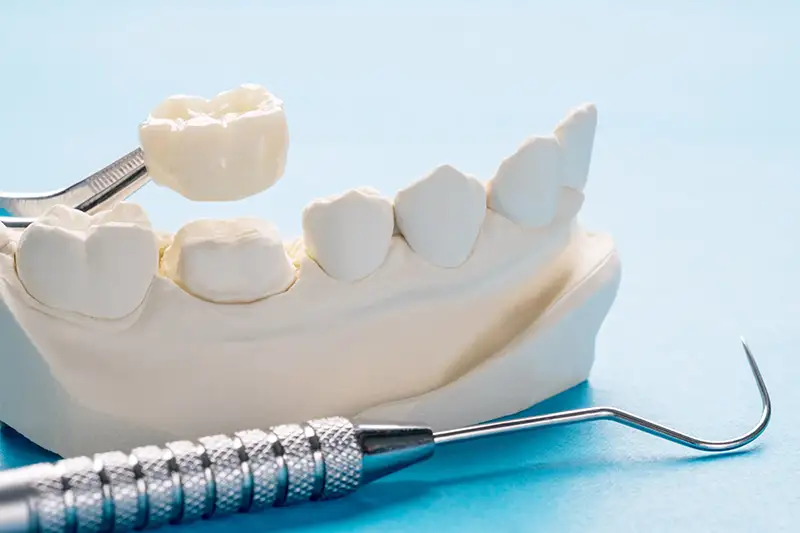
A dental bridge is a fixed restoration that fills a gap left by one or more missing teeth. It uses a replacement tooth or teeth, called pontics, supported by abutments on neighboring teeth or dental implants.
Common Bridge Types
- Traditional bridge uses crowns on teeth next to the space to support pontics.
- Cantilever bridge attaches on one side only.
- Maryland bridge uses a wing bonded to the backs of adjacent teeth.
- Implant-supported bridge anchors to dental implants.
Benefits of Dental Bridges
- Restores chewing efficiency so you can enjoy a broader range of foods.
- Prevents neighboring teeth from drifting into the space.
- Supports clear speech and natural facial contours.
- Provides an aesthetic solution that blends with surrounding teeth.
- Offers a fixed alternative when implants are not preferred or not possible.
The Dental Bridge Process
The dental bridge procedure follows clear steps from planning to placement:
- Consultation and exam: Our dentist evaluates the gap, neighboring teeth, bite, and gum health. X-rays or scans help plan the ideal design and material.
- Tooth preparation: Abutment teeth are shaped under local anesthesia to make room for crowns. Impressions or digital scans are taken.
- Temporary bridge: A temporary is placed to protect the prepared teeth while the lab fabricates the final restoration.
- Fitting and cementation: The custom bridge is checked for fit, color, and bite, then permanently cemented into place.
Aftercare includes brushing twice daily, using a floss threader or bridge floss to clean under the pontic, and scheduling regular exams to monitor the restoration.
What to Expect
Mild sensitivity after preparation is common and usually improves within days. Most patients return to normal routines the same day. Soft foods are helpful for the first 24 hours. Good oral hygiene is essential to protect the abutment teeth and gums.
Home Care and Maintenance
- Brush twice daily with fluoride toothpaste, cleaning all sides of the bridge and gumline.
- Floss under the pontic using a floss threader or a specialized bridge floss to remove plaque.
- Use interdental brushes or a water flosser to clean hard-to-reach areas.
- Schedule regular checkups so our dentist can monitor the bridge, abutment teeth, and gums.
With proper care, bridges often last 7 to 15 years or longer. Night guards can protect your bridge if you clench or grind.
Who Is a Good Candidate For a Bridge?
Healthy gums, stable abutment teeth or adequate implant sites, and a bite that can support the restoration are key. A dental bridge vs. implant discussion often considers bone levels, adjacent tooth condition, treatment time, and maintenance preferences.
Potential Considerations
- Tooth sensitivity or gum irritation may occur and is typically temporary.
- Decay risk around abutment teeth increases without meticulous hygiene.
- Bridges may need repair or replacement over time due to wear or fracture.
Replace Missing Teeth
Considering a bridge to replace a missing tooth? Call Mission Family Dentistry at 760-439-5515 to schedule a consultation with Dr. Odenwalder and find out which option fits your smile.
Frequently Asked Questions About Dental Bridges
Many bridges last 7 to 15 years, and some last longer. Lifespan depends on oral hygiene, regular dental visits, diet, and whether you grind your teeth.
Neither option is universally better. A bridge can be faster and avoids surgery, while an implant helps preserve bone and does not involve neighboring teeth.
Modern ceramics are matched to your surrounding teeth for a seamless appearance. Careful shade and shape selection help the bridge blend in.
Local anesthesia keeps you comfortable during preparation and placement. Mild soreness or sensitivity after appointments is common and short lived.
Use a floss threader or bridge floss to pass under the pontic, then sweep side to side. Interdental brushes or a water flosser can also help.
Yes. A multi-unit bridge can span several missing teeth, often with added abutment support or implants depending on the length of the gap.
Call the dental office for guidance. Do not use glue. Keep the area clean and avoid chewing on that side until it can be re-cemented.