
Digital X-Rays in Oceanside, CA
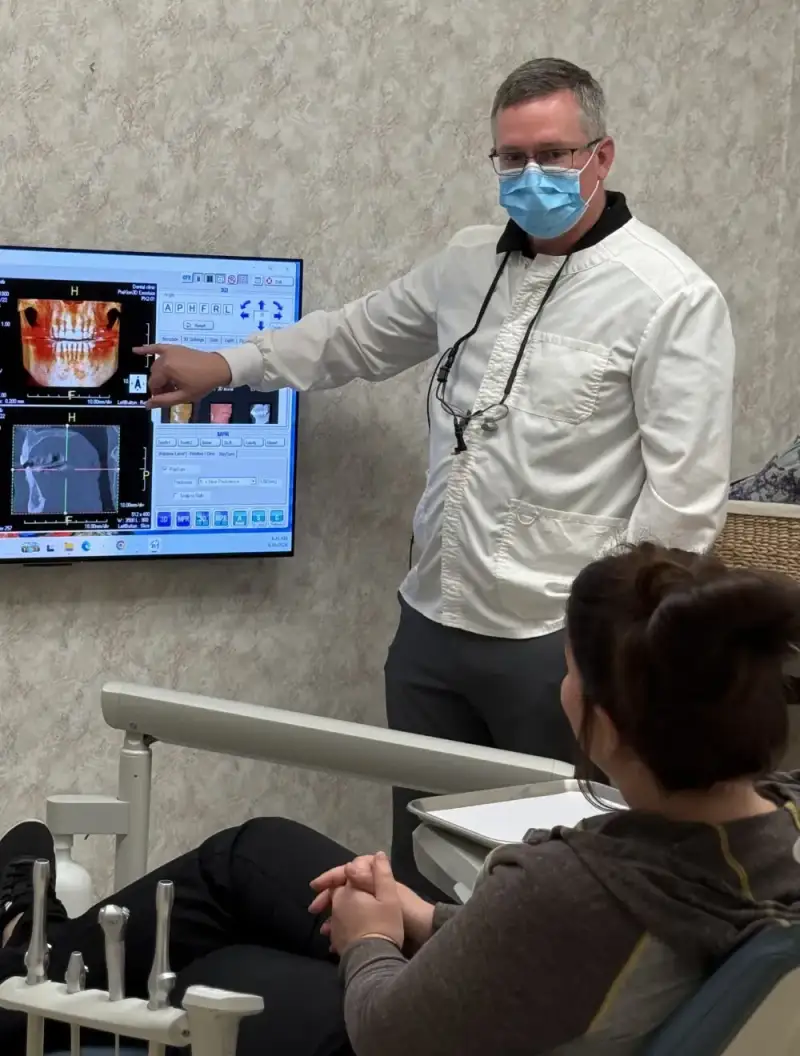
If you have ever wondered what your dentist is looking for during an X-ray, you are not alone. Digital X-rays in Oceanside, California, capture detailed images of your teeth, gums, and jaw with far less radiation than traditional film, giving our team a clear view of what is happening beneath the surface.
How Digital X-Rays Work
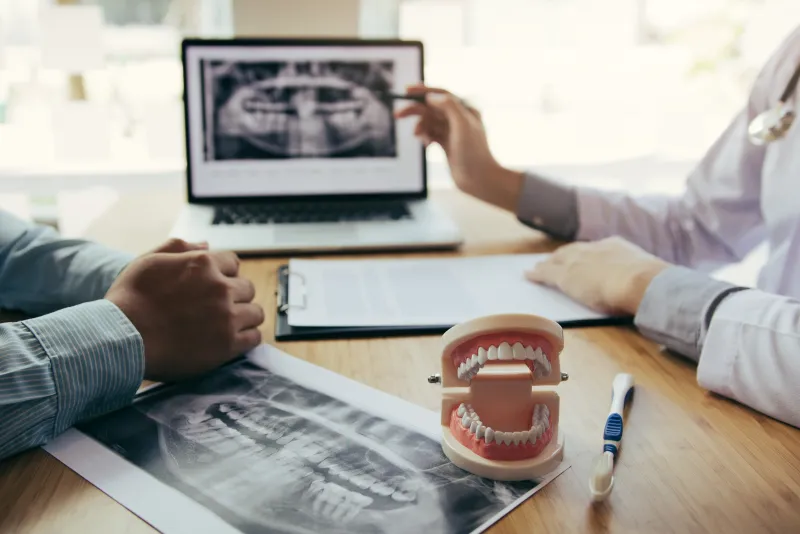
Digital X-rays use electronic sensors to create high-resolution images that appear almost instantly on a computer screen. Compared with traditional film, they require less radiation and allow for quick enhancements such as zooming and contrast adjustments to see tiny details. Dentists use these images to find cavities between teeth, evaluate bone levels, check existing restorations, and plan care with greater accuracy.
Benefits of Digital X-Rays
- Lower radiation exposure compared with traditional film systems.
- Fast imaging that appears on screen within seconds.
- High clarity that helps reveal small cavities and hidden problems.
- Comfortable sensors and fewer retakes for many patients.
- Secure digital storage for easy comparison over time.
- Reduced chemical waste compared with film processing.
Understanding Your Imaging Options
Different digital X-ray views answer different clinical questions. The most common types include:
- Bitewing X-rays show the areas between back teeth and help detect cavities and changes in bone height.
- Periapical X-rays focus on a single tooth from crown to root to assess infection, fractures, or root issues.
- Panoramic X-rays capture the entire mouth, jaw joints, and sinuses to evaluate growth, impacted teeth, and overall anatomy.
- Occlusal X-rays provide larger views of the floor or roof of the mouth to locate extra or impacted teeth.
- In some cases, cone beam CT (CBCT) offers 3D images for complex planning; availability varies by office and need.
What to Expect During Your X-Ray Visit
During the visit, a small sensor is placed where images are needed. The sensor captures the X-ray exposure and sends it directly to a computer. Images appear on screen within seconds, allowing the dental team to review findings with you in real time.
Protective measures include a lead apron and thyroid collar when appropriate. Exposure times are very short, and digital sensors require significantly less radiation than traditional film.
Schedule Your Exam
Due for an exam or want to know more about our imaging? Call Mission Family Dentistry at 760-439-5515 to book a visit with Dr. Odenwalder.
Frequently Asked Questions About Digital X-Rays
Yes. Digital systems use significantly less radiation than older film methods. Protective aprons and collars add another layer of safety, and images are taken only when clinically necessary.
It depends on your cavity risk, gum health, and recent history. Many healthy adults need bitewings every 12 to 24 months, while others may need them more or less often. Your schedule is individualized.
Digital X-rays reduce radiation, produce instant images, and allow on-screen enhancements. Film requires more radiation, chemical processing, and longer wait times.
No. You may feel brief pressure from the sensor or positioning device, but exposure is quick and should not be painful. Let the team know if you have a strong gag reflex so placement can be adjusted.
Dental X-rays are generally avoided during pregnancy unless urgently needed. If imaging is essential, extra shielding and precautions are used. Always inform the dental team if you are or may be pregnant.
X-rays help check growth, look for cavities between teeth, and monitor new or unerupted teeth. Pediatric schedules use the lowest exposure necessary and are customized to your child’s needs.