
Oral Hygiene in Oceanside, CA
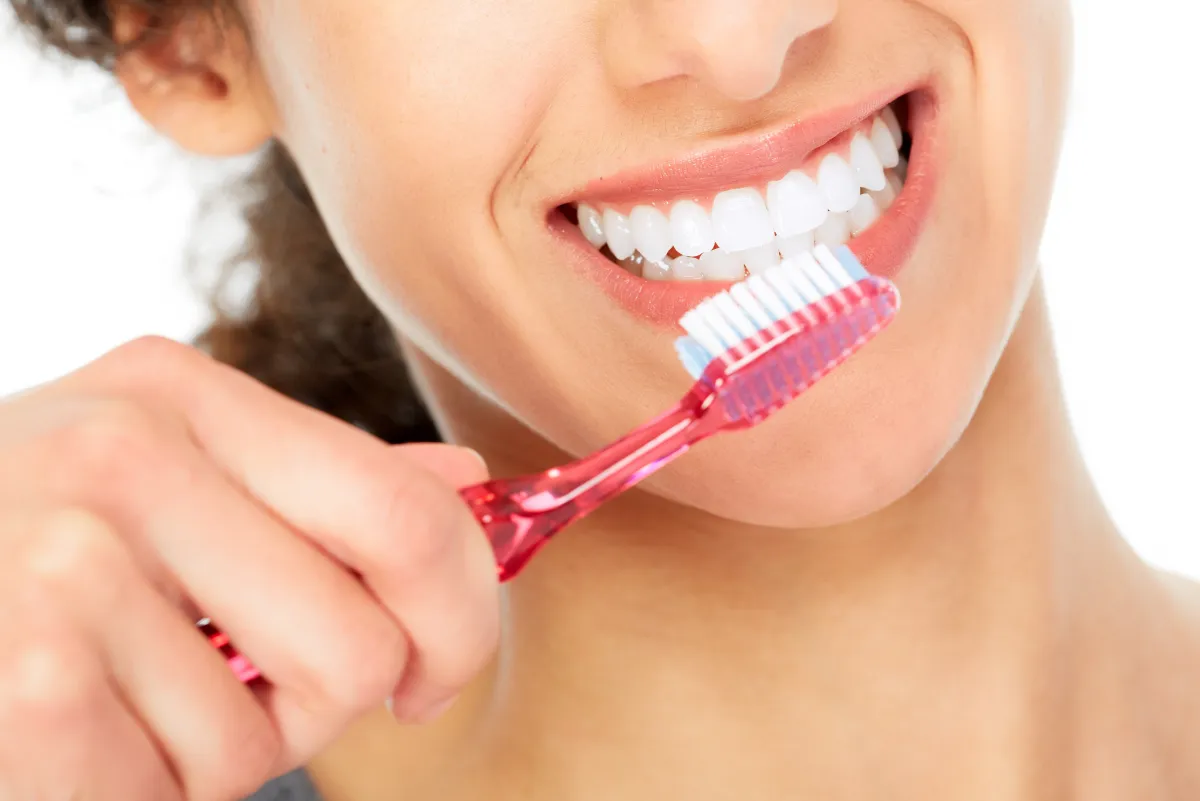
Brushing twice a day is a good start, but strong oral hygiene is about more than your toothbrush. The right daily habits combined with periodic professional cleanings keep plaque under control and help prevent cavities and gum disease before they begin.
Why Oral Hygiene Matters
Oral hygiene in Oceanside, California, refers to the daily and professional steps that control dental plaque, the sticky biofilm that collects on teeth. When plaque is not removed, minerals in saliva harden it into tartar (calculus), making it more difficult to clean. Over time, this buildup irritates the gums and can lead to gingivitis and, if untreated, periodontitis. Good home care, paired with periodic cleanings, supports gum disease prevention, reduces cavities, and helps protect overall health.
Benefits of Strong Oral Hygiene Habits
- Lower risk of cavities by limiting plaque acids that weaken enamel.
- Healthier gums with less bleeding, tenderness, and inflammation.
- Fresher breath by reducing odor-causing bacteria.
- Brighter teeth by limiting surface stains and buildup.
- Smoother dental visits with less tartar to remove and clearer exams.
- Better long-term outcomes by protecting bone and supporting teeth.
The Oral Hygiene Process
Home Care Basics
- Brush twice daily with a soft-bristled toothbrush for two minutes.
- Use a fluoride toothpaste to strengthen enamel and prevent decay.
- Floss once a day to clean where bristles cannot reach; the benefits of flossing include fewer cavities between teeth and healthier gums.
- Consider an electric toothbrush if you struggle with technique or plaque control.
- Rinse as directed with an alcohol-free mouthwash to reduce bacteria and support gum health.
- Choose a tooth-friendly diet by limiting frequent sugary snacks and acidic drinks.
In-Office Professional Care
- Professional cleanings remove tartar that home brushing and flossing cannot reach.
- Gum measurements track pocket depths and help detect gum disease early.
- Fluoride treatments strengthen enamel, especially for patients at higher cavity risk.
- Personalized coaching adjusts your routine based on exam findings and lifestyle.
Oral Hygiene Tips by Age
- Children: Start cleaning gums before teeth erupt; supervise brushing until age 7 or 8; use a smear of fluoride toothpaste for toddlers, a pea-sized amount for older kids.
- Teens: Reinforce daily habits as braces, sports, and diet changes affect oral health; consider sealants and mouth guards.
- Adults: Maintain consistent routines; address dry mouth, grinding, and gum recession; schedule cleanings based on risk.
- Seniors: Manage medications that reduce saliva; use gentle tools for arthritis or dexterity challenges; monitor existing restorations for wear.
Improve Your Home Care
Want personalized tips for your home routine? Call Mission Family Dentistry at 760-439-5515 to schedule a cleaning and hygiene review with Dr. Odenwalder.
Frequently Asked Questions About Oral Hygiene
Plaque forms as bacteria combine with food particles and saliva. If not removed, it absorbs minerals and hardens into tartar, which requires professional removal.
Many studies show powered brushes can reduce plaque and gingivitis more effectively for some users, especially if brushing time or technique is a challenge.
Most people do well with visits every six months. Higher-risk patients, including those with gum disease, may need cleanings every three to four months.
Fluoride strengthens enamel, lowers cavity risk, and can reduce sensitivity. It is helpful for patients with frequent decay, dry mouth, or exposed roots.
Sealants are most common in children, but adults with deep grooves or a history of decay may also benefit after a clinical evaluation.
Gingivitis is often reversible with improved home care and professional cleanings. Periodontitis requires ongoing periodontal therapy to control the infection.